Things to Do in Harajuku: Fashion, Kawaii Culture and Sweet Treats
Takeshita Street, Cat Street, Laforet, crepes, kawaii cafés and the forest of Meiji Jingu: the best things to do in Harajuku, Tokyo's capital of street fashion.
Harajuku is where Tokyo gets dressed up. For decades this neighbourhood has been the stage for Japan's most creative street fashion, from Lolita and decora to punk and vintage, and it is also the heart of kawaii, the Japanese culture of cuteness: pastel sweets, character cafés, sticker shops and rainbow everything.
Dasza went all-in during our time in Tokyo: we joined a Harajuku shopping tour, hunted for stickers, ate rainbow pancakes, had tea at an Alice in Wonderland restaurant and even spent a whole "kawaii day". Tomek came along and was a very good sport.
Quick answer: Start at JR Harajuku Station (Yamanote Line). Walk down Takeshita Street for kawaii fashion, crepes and snacks, browse Laforet Harajuku for independent designers, escape to the boutiques and vintage shops of Cat Street, stroll Omotesando for architecture and luxury brands, and visit the forest shrine of Meiji Jingu next to the station (free). Crepes cost about ¥400–800.
Takeshita Street
Harajuku's famous pedestrian street, opposite the station, is about 350 metres long and packed with around 130 shops: cheap and cheerful youth fashion, accessories, character goods, sticker and photo-booth shops, and the famous Harajuku crepes, rolled cones of crepe stuffed with whipped cream, fruit, cheesecake or ice cream. It is crowded, especially at weekends, and that is part of the fun.
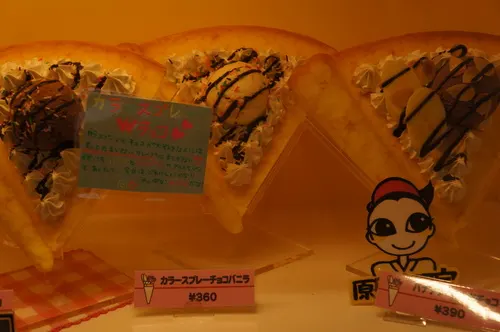
Laforet Harajuku
At the corner of Omotesando and Meiji-dori, this fashion building is packed with small independent boutiques, from Gothic Lolita to avant-garde designers. It is a great place to see what Harajuku style really is, and the basement floors are the most experimental.
Cat Street and Ura-Harajuku
Behind the main roads, Cat Street and the backstreets known as Ura-Harajuku are quieter and cooler: indie streetwear labels, vintage shops, sneaker stores and coffee bars. It is the best area for shopping if you prefer style over cute.
Omotesando
The tree-lined avenue running from Harajuku to Aoyama is Tokyo's Champs-Élysées, with flagship stores by famous architects, Omotesando Hills and elegant cafés. In winter, the trees are lit up with illuminations.
Kawaii cafés and character shops
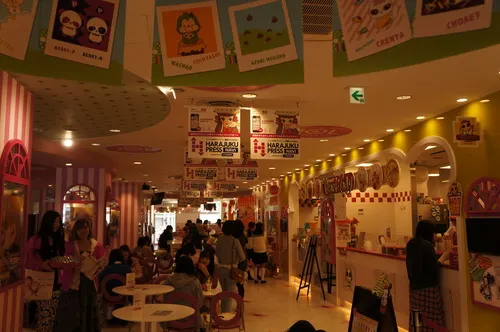
Harajuku and nearby Omotesando are full of themed cafés: animal cafés, character cafés and fairy-tale restaurants. We had a "mad tea party" at an Alice in Wonderland restaurant, where the waitresses tell you a little story as they serve each dish, and jewellery-shaped cakes at a café where the desserts looked too pretty to eat.
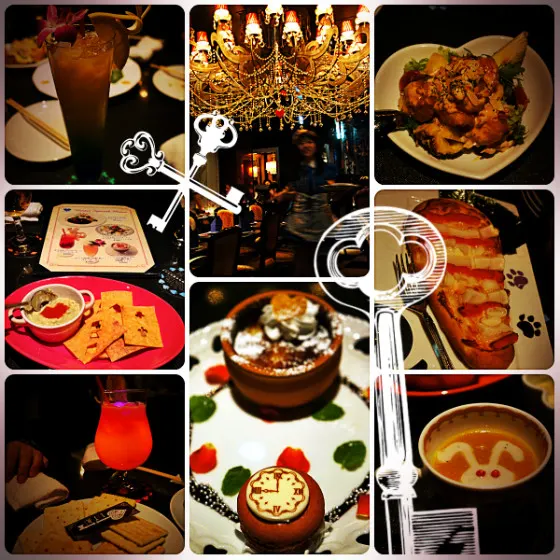
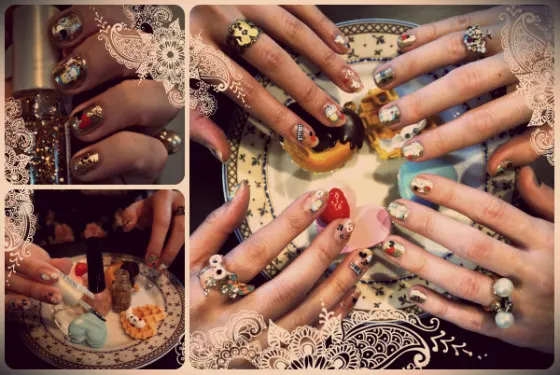
How to "do kawaii": pastel colours, bows, character accessories, sweet drinks and a shopping bag full of stickers and nail decorations. Look for the word かわいい (kawaii) everywhere; Japanese girls' magazines use it on every page.
Meiji Jingu and Yoyogi Park
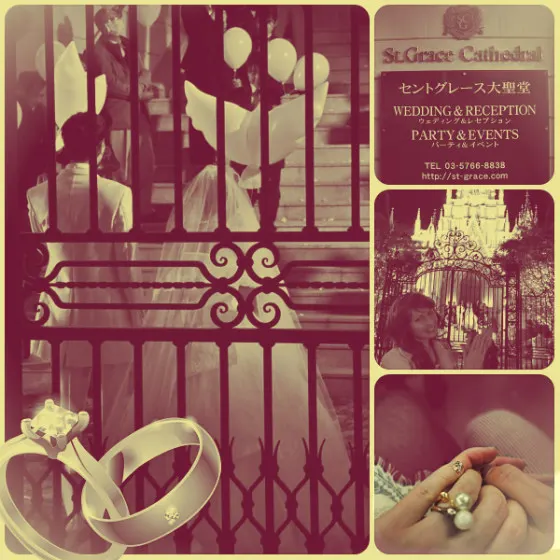
Right next to the station's crowds, a huge torii gate leads into a forest of 100,000 trees surrounding Meiji Jingu, Tokyo's most important Shinto shrine, dedicated to Emperor Meiji. It is free to enter (the inner garden has a small fee), and on weekends you may see a traditional Shinto wedding procession. Next door, Yoyogi Park is Tokyo's favourite picnic spot and hosts festivals at weekends.
Tips for Harajuku
- Go on a weekday morning to avoid the worst crowds on Takeshita Street.
- Sundays are best for spotting fashion, especially around Takeshita Street and Omotesando.
- Ask before photographing people in street fashion; most are happy to pose, but not all.
- Stations: JR Harajuku or Meiji-jingumae (Chiyoda and Fukutoshin lines).
- Combine it with Shibuya, a 15-minute walk south.
More Tokyo: Akihabara guide · Shimokitazawa · Kappabashi Kitchen Street
Sources checked: e-housing – Harajuku guide 2026.
About the authors
Dasza — Writer and photographer behind PTraveler. Polish-born, raised in Germany, happiest renting a flat in a new city for a month.
Tomek — Project manager, fixer and tour leader. Plans the routes, finds the free days and tests every street-food stall.