Seoul's Five Palaces: Which to Visit and How
Gyeongbokgung, Changdeokgung, Changgyeonggung, Deoksugung or Gyeonghuigung? How Seoul's royal palaces differ, 2026 ticket prices, the ₩6,000 combination ticket and free entry in hanbok.
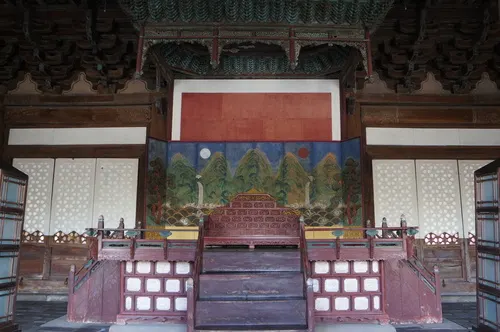
Seoul is a city of palaces. In the middle of a futuristic megacity of glass towers, five royal palaces from the Joseon dynasty (1392–1897) survive, with painted wooden halls, curved tiled roofs and quiet gardens framed by the mountains.
We lived in Seoul for a month and made it our weekend project to visit them all, plus the royal ancestral shrine of Jongmyo. They look similar at first, but each one has its own character, and with one cheap combination ticket you can see them all.
Here is how they compare, what they cost in 2026, and which ones to choose if you only have a day.
Quick answer: If you see only one, visit Gyeongbokgung, the biggest and grandest (₩3,000). For atmosphere, add Changdeokgung and its Secret Garden (guided tour, ₩5,000 extra). The ₩6,000 integrated ticket covers Gyeongbokgung, Changdeokgung, Changgyeonggung, Deoksugung and Jongmyo Shrine within six months, but not the Secret Garden. Entry is free if you wear hanbok. Gyeongbokgung and Jongmyo close on Tuesdays, the others on Mondays.
Seoul palace tickets (2026)
| Palace | Adult ticket | Closed |
|---|---|---|
| Gyeongbokgung | ₩3,000 | Tuesday |
| Changdeokgung (buildings) | ₩3,000 | Monday |
| + Secret Garden tour | ₩5,000 extra | Monday |
| Changgyeonggung | ₩1,000 | Monday |
| Deoksugung | ₩1,000 | Monday |
| Jongmyo Shrine | ₩1,000 | Tuesday |
| Integrated ticket (all of the above except the Secret Garden) | ₩6,000 | – |
The integrated ticket only saves money if you visit at least three or four of the sites. Visitors wearing hanbok, traditional Korean dress, get free entry to the palaces (but not the Secret Garden tour). Hanbok rental shops are everywhere around Gyeongbokgung.
1. Gyeongbokgung: the grand main palace
Built in 1395 as the main royal palace, Gyeongbokgung is the largest and most impressive: a huge throne hall, the Gyeonghoeru pavilion floating on a lotus pond and the pretty Hyangwonjeong pavilion at the back. Like most of Seoul's palaces, it was burned during the Japanese invasions of 1592 and largely demolished during the Japanese occupation in the 20th century; much of what you see is a careful reconstruction.
Don't miss: the changing of the royal guard ceremony at the main gate, Gwanghwamun, held several times a day, and the National Folk Museum inside the grounds. In spring and autumn, the palace sometimes opens in the evening for night visits.
2. Changdeokgung and the Secret Garden
Our favourite. Built in 1405 as a secondary palace, Changdeokgung became the main royal residence for centuries, and it is the only Seoul palace listed as a UNESCO World Heritage Site, praised for the way its buildings follow the natural landscape. Behind it lies the Secret Garden (Huwon), with ponds, pavilions and ancient trees, which you can only visit on a guided tour. Read our full guide: Changdeokgung Palace and the Secret Garden.
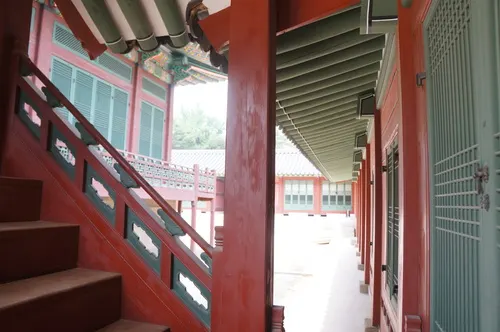
3. Changgyeonggung: the quiet one
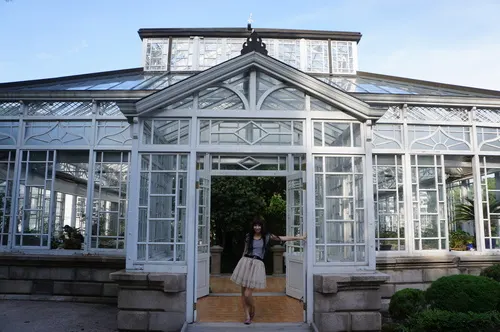
Right next to Changdeokgung (you can walk between them), Changgyeonggung was built in 1483 by King Seongjong. During the Japanese occupation it was turned into a zoo and amusement park; today it is a peaceful palace with a pond, a five-storey stone pagoda and a beautiful white glass greenhouse from 1909.
Look for the curious placenta monument (taesil): after a royal birth, the placenta was sealed in a jar and enshrined in stone, believed to protect the child's future.
4. Deoksugung: palace meets Western architecture
In the middle of the City Hall district, Deoksugung mixes traditional Korean halls with neoclassical stone buildings from the early 20th century, when Korea's last emperors lived here. It is small, easy to fit in, and pretty in the evening. Walk along the stone-wall road (Deoksugung Doldam-gil) outside.
5. Gyeonghuigung
The least visited palace, west of Gwanghwamun, is free and very quiet, with only a few restored halls. Go if you want a palace almost to yourself.
6. Jongmyo Shrine
Not a palace but the royal ancestral shrine, where the spirit tablets of Joseon kings and queens are kept, and a UNESCO World Heritage Site. See our Jongmyo Shrine guide.
Which palaces to visit with one day
- Morning: Gyeongbokgung (arrive at opening and catch the guard ceremony).
- Midday: walk through Bukchon Hanok Village for lunch.
- Afternoon: Changdeokgung with a booked Secret Garden tour, then walk through to Changgyeonggung.
- Evening: Insadong for tea and souvenirs: see our Insadong guide.
Tips for visiting Seoul's palaces
- Check closing days before you go: Monday or Tuesday, depending on the palace.
- Book the Secret Garden online; tickets open six days ahead and sell out.
- Don't walk on the raised central path in the courtyards: it was reserved for the king.
- Bring water and sun protection in summer; there is little shade.
- Get a T-money card for the subway; all palaces are near metro stations.
Sources checked: LoveKorea – Seoul palace tickets (checked October 2026). Official info: Royal Palaces and Tombs Center.
About the authors
Dasza — Writer and photographer behind PTraveler. Polish-born, raised in Germany, happiest renting a flat in a new city for a month.
Tomek — Project manager, fixer and tour leader. Plans the routes, finds the free days and tests every street-food stall.