Jongmyo Shrine, Seoul: Visiting the Royal Ancestral Shrine
Jongmyo Shrine holds the spirit tablets of Korea's Joseon kings. What to see, ticket price, guided-tour rules, the annual royal ritual and how to combine it with Seoul's palaces.
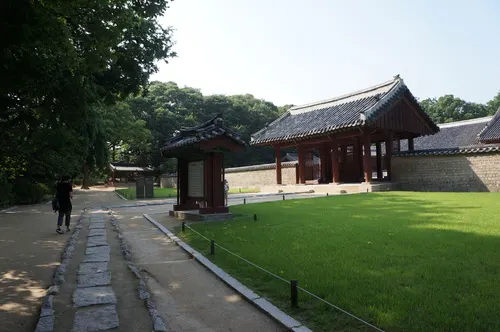
In the middle of downtown Seoul, a short walk from the busy markets of Jongno, lies one of the most peaceful places in the city: Jongmyo Shrine, where the spirits of Korea's kings and queens are honoured.
Built in 1395, when the founder of the Joseon dynasty made Seoul his capital, Jongmyo houses the spirit tablets of the Joseon royals. Korea is the only Confucian country that has preserved its royal shrine and still performs the ancestral rites, which is why it is a UNESCO World Heritage Site.
We visited on a hot June weekend with our palace combination ticket and found it calm, green and quite moving.
Quick answer: Jongmyo Shrine costs ₩1,000 (included in the ₩6,000 integrated palace ticket) and is closed on Tuesdays. On most days you visit with a guided tour at set times (in English several times a day); on certain days, such as Saturdays, you can walk around freely. The nearest station is Jongno 3-ga. The royal ritual, Jongmyo Jerye, takes place on the first Sunday of May.
What is Jongmyo?
In Confucian belief, the spirit separates from the body after death. The body was buried in a royal tomb, while the spirit lived on in a wooden tablet kept at Jongmyo. Here, descendants honoured their ancestors with music, dance and food offerings. The shrine was destroyed during the Japanese invasion of 1592 and rebuilt in 1608.
What to see
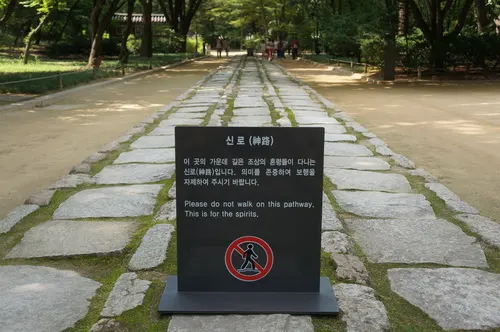
- The spirit path: the raised stone path through the grounds is reserved for the spirits. Please don't walk on it.
- Jeongjeon: the main hall, over 100 metres long and one of the longest wooden buildings in Asia, with 19 chambers holding the tablets of 49 kings and queens.
- Yeongnyeongjeon: the "Hall of Eternal Peace", built in 1421 for the tablets of kings who were moved out of the main hall.
- Ritual buildings: the rooms where royal family members prepared for the ceremonies, with displays of ritual vessels and offerings.
Guided tours and free viewing
To protect the shrine, Jongmyo is visited mainly on guided tours at fixed times, with tours in English, Japanese and Chinese as well as Korean. On certain days, including Saturdays and some holidays, you can explore freely. Check the schedule on the official Royal Palaces and Tombs website before you go.
Jongmyo Jerye: the royal ancestral ritual
Every year on the first Sunday of May, descendants of the royal Yi family perform the Jongmyo Jerye, a ritual of court music and dance that has been recognised by UNESCO as Intangible Cultural Heritage. Dancers in pink and red robes move slowly in formation in front of the main hall. If you are in Seoul at that time, it is unforgettable. A smaller ceremony is held in early November.
Combine it with
- Changgyeonggung and Changdeokgung palaces, connected to Jongmyo by a footbridge and walkway.
- Gwangjang Market, one of Seoul's best food markets, for bindaetteok (mung bean pancakes).
- Seun Sangga and the Cheonggyecheon stream nearby.
More: Seoul's five palaces compared
Sources checked: LoveKorea – Seoul palace tickets (checked October 2026).
About the authors
Dasza — Writer and photographer behind PTraveler. Polish-born, raised in Germany, happiest renting a flat in a new city for a month.
Tomek — Project manager, fixer and tour leader. Plans the routes, finds the free days and tests every street-food stall.