Nagasaki in One Day: A Simple Sightseeing Itinerary
A one-day Nagasaki itinerary by tram: Peace Park, the Atomic Bomb Museum, Urakami Cathedral, Dejima, Chinatown, Glover Garden and the night view from Mount Inasa, with 2026 prices.
Nagasaki is a port city in the far west of Kyushu, surrounded by green hills. For centuries it was Japan's only window to the world, trading with Portuguese, Dutch and Chinese merchants, and on 9 August 1945 it became the second city destroyed by an atomic bomb.
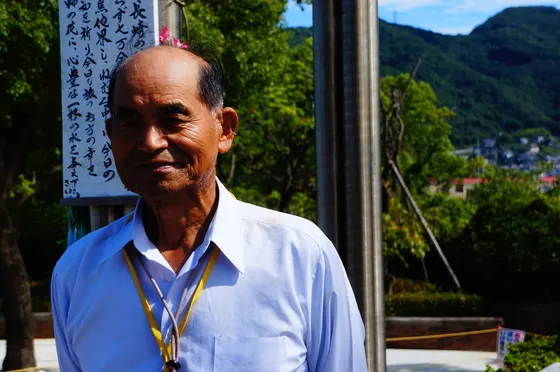
We came on a day trip from Fukuoka by rental car with friends. It was one of the most moving days of our year in Japan. At the Peace Park we met an elderly survivor of the bombing who shares his story with visitors, a moment we will never forget.
Nagasaki is compact, and its tram network makes it easy to see the main sights in one long day.
Quick answer: Buy a tram day pass (¥600) and start in the north at the Peace Park (free), Hypocenter Park and the Atomic Bomb Museum (¥200), see the ruins of Urakami Cathedral, then ride south to Dejima (¥520), lunch in Chinatown, and visit Oura Church (¥1,000) and Glover Garden (¥620). End with the night view from Mount Inasa (ropeway ¥1,250 return). From Hakata, the Kamome relay with the Nishi-Kyushu Shinkansen takes about 1.5 hours.
Morning: Peace Park and the atomic bomb sites
Peace Park
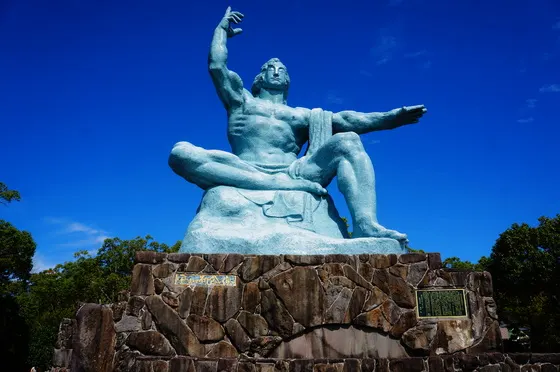
The giant Peace Statue, by sculptor Seibo Kitamura, was unveiled in 1955. Its raised right hand points to the threat of nuclear weapons, the outstretched left hand symbolises peace, and the closed eyes are a prayer for the victims. Around it stand peace monuments donated by countries from all over the world and the Fountain of Peace, an offering of water to victims who died begging for it. Entry is free.
Hypocenter Park
A black monolith marks the point above which the bomb exploded at 11:02 am, killing about 74,000 people by the end of 1945. Everything within a radius of 2.5 km was destroyed. Fragments of the old Urakami Cathedral stand nearby.
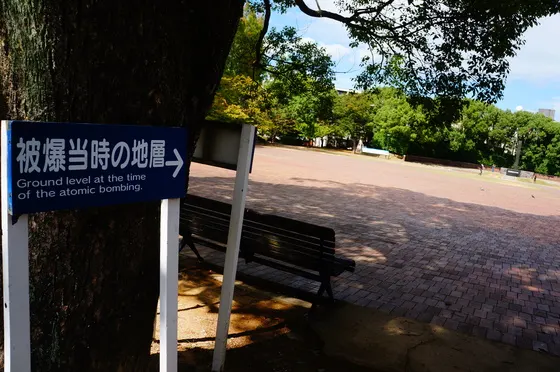
Atomic Bomb Museum
The museum tells the story of the bombing, its victims and the fight against nuclear weapons, with objects recovered from the ruins, including a clock stopped at 11:02. It is hard to visit but essential. Entry ¥200, open from 8:30 am.
Urakami Cathedral
Once the largest church in East Asia, Urakami Cathedral was destroyed in the bombing and rebuilt in 1959. Look for the damaged stone statues of saints from the original building.
Midday: Dejima and Chinatown
Dejima
For more than 200 years, while Japan was closed to the West, this small fan-shaped artificial island was the only place where Dutch traders were allowed to live and work. Today its warehouses, residences and offices have been reconstructed. Entry ¥520.
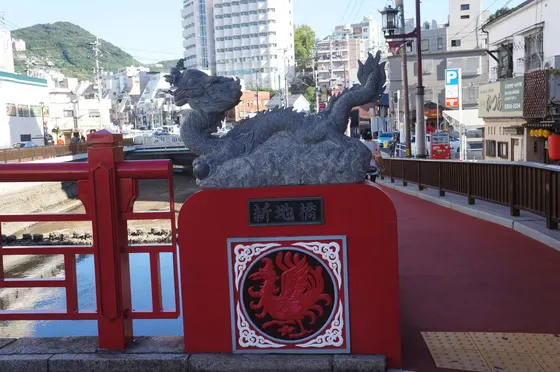
Chinatown (Shinchi)
Japan's oldest Chinatown, founded by Chinese merchants who had more freedom than the Europeans. Try champon, Nagasaki's famous noodle soup with seafood and vegetables, or sara udon, crispy noodles with a thick sauce.
Afternoon: Oura Church and Glover Garden
- Oura Church (¥1,000): Japan's oldest standing church, built in 1864, part of the UNESCO "Hidden Christian Sites" listing.
- Glover Garden (¥620): Western-style mansions of 19th-century merchants, including the Scottish trader Thomas Glover, on a hillside with views over the harbour.
Evening: Mount Inasa night view
Take the Mount Inasa ropeway (¥1,250 return) up to the observation deck for one of Japan's most famous night views over the harbour and the city lights.
What to eat and buy
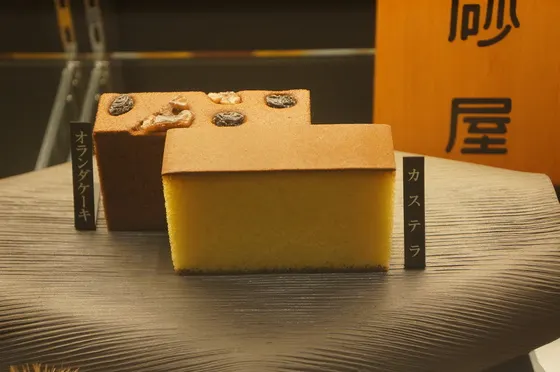
- Castella: a soft sponge cake brought by the Portuguese in the 16th century, Nagasaki's most famous souvenir. The old shops in the city centre sell beautifully wrapped boxes.
- Champon and sara udon in Chinatown.
- Toruko rice, a local comfort-food plate with pilaf, spaghetti and a pork cutlet.
Getting there and around
- From Fukuoka (Hakata): take the Relay Kamome limited express to Takeo-Onsen and change across the platform to the Nishi-Kyushu Shinkansen to Nagasaki, about 1.5 hours in total. Highway buses are cheaper but slower.
- By car: about 150 km from Fukuoka. We split a rental car four ways, which was cheaper than the train: see renting a car in Japan.
- Trams: single rides cost ¥140; the one-day pass (¥600) covers all four lines.
Tips
- 9 August: the city holds its Peace Memorial Ceremony; expect crowds and a solemn atmosphere.
- Stay overnight if you can: Nagasaki's night views and evening Chinatown are worth it.
- Wear good shoes: Nagasaki is very hilly.
More Kyushu: things to do in Fukuoka · Dazaifu day trip
Sources checked: JapanActivity – Nagasaki attractions (updated May 2026).
About the authors
Dasza — Writer and photographer behind PTraveler. Polish-born, raised in Germany, happiest renting a flat in a new city for a month.
Tomek — Project manager, fixer and tour leader. Plans the routes, finds the free days and tests every street-food stall.