Living in Lisbon for a Month: Renting, Transport and Daily Costs
We rented a flat in Belém and lived in Lisbon and Porto for weeks. Where to stay, what flats are really like, the Navegante pass, groceries and costs in 2026.
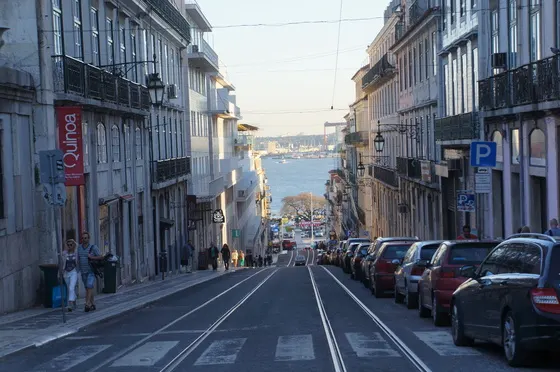
Lisbon is one of our favourite cities to live in, not just to visit. We rented a flat on Ajuda hill in Belém, travelled on with Dasza's mum to a flat in Porto, and spent weeks shopping at the corner mini mercado, hanging laundry out of the window and riding old trams up and down the hills. This is our guide to spending a month in Lisbon, with the practical details updated for 2026.
Quick answer: For a month in Lisbon, rent a furnished flat near a metro, tram or train stop rather than in the busiest tourist lanes. Buy a Navegante card and load a monthly pass (€30 for Lisbon city, €40 for the whole metropolitan area) instead of single tickets (€1.90). Bring warm layers for winter and spring evenings: most homes have no central heating.
Where to stay in Lisbon for a month
- Belém and Ajuda: where we lived. Calm, residential and close to the monuments, the river and the best custard tarts in the city. It felt like being part of the neighbourhood: we knew the kids on our street and fed the neighbour's dog. The downside is distance from the centre, but tram 15 and the train along the river are quick.
- Graça, Alfama and Mouraria: postcard Lisbon, with viewpoints and fado bars. Lovely, but steep, busy with visitors and often noisy.
- Campo de Ourique and Estrela: residential, leafy and full of local cafés and a good market.
- Arroios and Anjos: central, multicultural and well connected by metro, usually better value.
- Cais do Sodré and Baixa: very central, but loud at night.
As in every city we lived in, our rule is: transport first. Two minutes to a metro or tram stop is worth more than a famous address.
What a Lisbon flat is really like
Our Belém flat had vintage furniture, tiles, paintings on every wall and a view of the Tagus from the window. We paid €56 a night for the three of us in 2014, and €65 a night including fees for a brand-new flat in Porto's historic centre. Prices are much higher today, but the homes have the same quirks:
- No central heating. Portuguese homes can be cold and damp from November to April, especially after sunset. Ask whether the flat has heaters or air conditioning with heating, and pack warm layers.
- No tumble dryer. Laundry dries on a rack outside the window. Plan your washing around sunny days.
- Hills. Lisbon is built on seven hills. Check the walk from the nearest stop, especially with luggage.
- Sun side matters. Our Porto flat lost the sun by 10 am, while the flats opposite had it all day. Ask which way the windows face.
Lisbon public transport: the Navegante card
On our first day we bought single tickets on board the bus and tram and paid far too much. Locals use a rechargeable card, and so should you.
- Navegante occasional card: a reusable paper card (€0.50) that you load with single tickets or with Zapping credit for pay-as-you-go travel.
- Single Carris/Metro ticket: €1.90, valid for 60 minutes on Carris buses and trams and on the metro (2026 prices).
- Navegante Municipal monthly pass: €30, unlimited travel within Lisbon, Amadora and Odivelas.
- Navegante Metropolitano monthly pass: €40, unlimited travel on almost all public transport in the 18 municipalities of the Lisbon area, including trains to Sintra and Cascais.
The monthly passes are loaded onto a personal Navegante card, which you request at a metro station ticket office with a photo. For a month's stay it pays for itself within a few days.
Tips from our time there: board buses and trams at the front door, validate your card every time (including on platforms at outdoor train stops), and be ready for ticket machines that don't accept every note or coin.

The famous tram 28 is fun once, but always packed. Living in the city means you can ride it early in the morning, when it is still mostly locals on board.
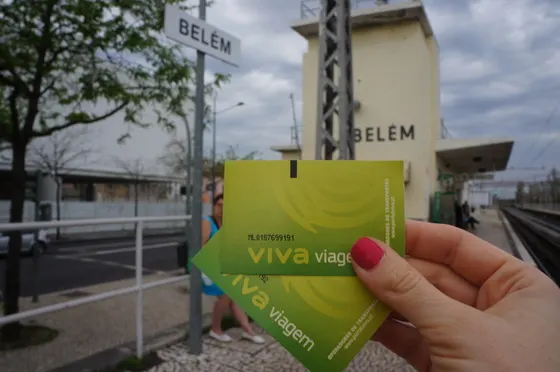
Porto has its own system, the Andante card, which does not work in Lisbon, so you will need a new card if you move north.
Groceries and eating like a local
- Mini mercados on every corner are perfect for daily shopping; supermarkets like Pingo Doce, Continente and Lidl are cheaper for the weekly shop.
- Markets: Mercado de Campo de Ourique and Mercado de Arroios are local favourites; Time Out Market is fun but touristy.
- Pastelarias are the cheapest meals in town: coffee, fresh orange juice, a pastel de nata and savoury pastries. Look for the places full of locals.
- Lunch: many restaurants offer a prato do dia (dish of the day) at lunchtime, much cheaper than dinner.
Our breakfasts were Portuguese corn bread, goat cheese, olives and marmelada (quince paste, the origin of the English word "marmalade"). And when you live in Belém, the original custard tarts at Pastéis de Belém are a short walk away.
Lisbon cost of living for a month: what to budget
| Cost | What to expect (2026) |
|---|---|
| Furnished flat | By far the biggest cost; Lisbon rents have risen sharply in recent years. Monthly discounts on rental platforms help. |
| Transport | €30 (city) or €40 (metropolitan area) for a Navegante monthly pass |
| Groceries | Moderate; cheapest at Lidl, Pingo Doce and local markets |
| Eating out | Pastelarias and prato do dia lunches are good value; tourist areas cost more |
| Mobile data | Prepaid SIMs and eSIMs from MEO, Vodafone and NOS; EU roaming applies with an EU plan |
| Heating in winter | Budget for electricity if you use heaters or air conditioning |
Visas for longer stays
EU citizens can stay freely. Many other nationalities can visit Portugal visa-free for up to 90 days in any 180-day period within the Schengen area. Remote workers who want to stay longer can look at Portugal's digital nomad visa (temporary stay or residence for remote work), which requires proof of a regular income from work outside Portugal. Check the official Portuguese consular website for the current requirements.
Day trips while you live in Lisbon
With a Metropolitano pass, the train to Sintra and its palaces is included. Our Sintra day trip guide covers Pena, Quinta da Regaleira and Monserrate. Cascais and the beaches of the Estoril coast are 40 minutes by train along the river.
Sources checked: Metro Lisboa – fares from 1 January 2026, Carris – frequent travellers, CP – Navegante pass. Prices can change; check before you travel.
About the authors
Dasza — Writer and photographer behind PTraveler. Polish-born, raised in Germany, happiest renting a flat in a new city for a month.
Tomek — Project manager, fixer and tour leader. Plans the routes, finds the free days and tests every street-food stall.