Best Cherry Blossom Spots in Tokyo, From Two Hanami Seasons
Our favourite places to see sakura in Tokyo: Shinjuku Gyoen, Ueno Park, Chidorigafuchi, the quiet Edogawabashi riverside and Aoyama Cemetery, with entry fees and rules.
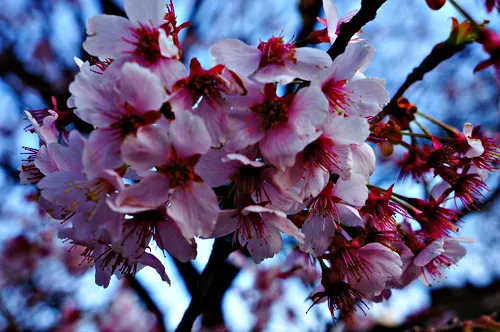
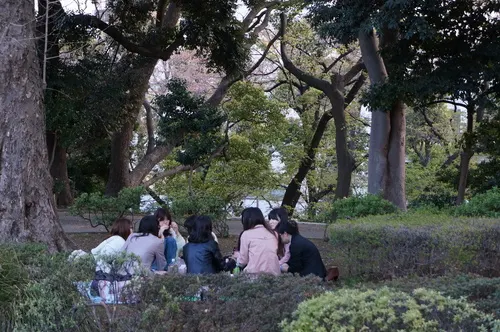
Tokyo is full of cherry trees, and when they bloom the whole city turns pink and white. We lived in Tokyo through two cherry blossom seasons and spent them hopping from park to park, from the famous crowd-pleasers to quiet riverside paths recommended by our Japanese friends.
These are the spots we loved most, what makes each one special, and the practical details you need for 2026: entry fees, opening hours and park rules.
If you can, visit on a weekday morning. Tokyo's hanami weekends are wonderful, but some spots become so crowded that staff have to direct the flow of people.
Quick answer: The best cherry blossom spots in Tokyo are Shinjuku Gyoen (¥500, the most beautiful, no alcohol), Ueno Park (free, the liveliest), Chidorigafuchi Moat (free, rowing boats and night illuminations), the Meguro River (free, lanterns at night), the quieter Edogawabashi riverside and Aoyama Cemetery, where you can also find Hachiko's memorial. Peak bloom is usually late March to early April.
Tokyo cherry blossom spots at a glance
| Spot | Entry | Best for | Nearest station |
|---|---|---|---|
| Shinjuku Gyoen | ¥500 | Variety of trees, calm picnics | Shinjuku-gyoemmae |
| Ueno Park | free | Atmosphere, food stalls, museums | Ueno |
| Chidorigafuchi Moat | free | Rowing boats, night lights | Kudanshita |
| Meguro River | free | Evening lanterns, cafés | Naka-Meguro |
| Edogawabashi riverside | free | Fewer tourists, local feel | Edogawabashi |
| Aoyama Cemetery | free | Peaceful walks, Hachiko memorial | Gaienmae / Nogizaka |
1. Shinjuku Gyoen National Garden
Our favourite. This former imperial garden, a few minutes from Shinjuku Station, combines an English landscape garden, a formal French garden and a traditional Japanese garden. It has around 65 varieties of cherry trees, so some are in bloom from early March to late April, and the lawns are perfect for picnics.
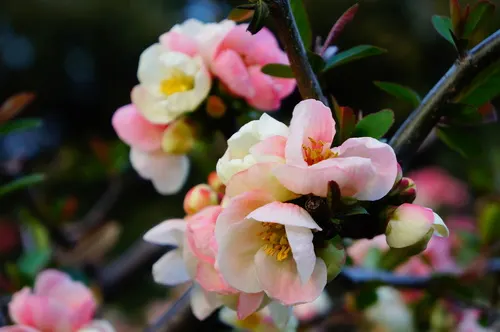
Good to know (2026): entry costs ¥500, and the garden is open from 9 am to 5:30 pm. It is normally closed on Mondays, but it opens every day during cherry blossom season. Alcohol is strictly prohibited, and in recent years weekend visits during peak season have required advance booking, so check the official website before you go.
2. Ueno Park
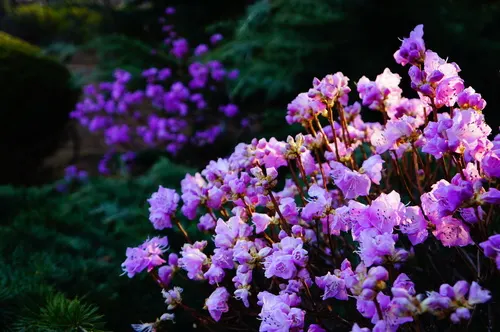
Ueno Park is hanami at its most festive: long avenues of cherry trees lined with picnic sheets, paper lanterns, food stalls and crowds of happy people from morning until late at night. You can rent a swan boat on Shinobazu Pond, walk down to the Bentendo temple and visit the Tokyo National Museum or the zoo nearby.
Entry is free and the park is open from 5 am to 11 pm. Picnic spots fill up fast at weekends, so come early.
3. Chidorigafuchi Moat
Next to the Imperial Palace, the cherry trees of Chidorigafuchi hang over the old moat, and rowing boats glide underneath. It is one of Tokyo's most photographed spots. The trees are illuminated in the evenings (around 6–10 pm), and the boat pier is open during the day. It gets extremely crowded at weekends; there is no picnic seating, just a walking path.
4. Meguro River
Around 800 trees line the Meguro River near Naka-Meguro station, and at night pink lanterns light up the canal. Food and drink stands set up during the cherry blossom festival, and the area is full of small cafés and shops. Again, no sitting areas, just strolling.
5. Edogawabashi riverside: our local tip
Our Japanese friend Saori took us here to escape the hanami madness. The cherry trees along the Kanda River at Edogawabashi form a pink tunnel over the water, and most of the people here are locals out for a walk.

Continue up the hill to the garden of Chinzanso, next to the hotel of the same name, with a waterfall, an old well, a three-storey pagoda and a small shrine where you can draw a fortune (omikuji).
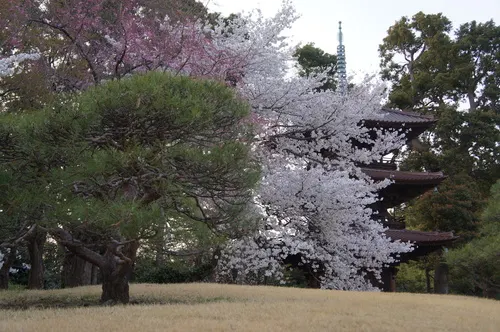
6. Aoyama Cemetery and Hachiko's memorial
It may sound strange to celebrate hanami in a cemetery, but Aoyama is one of Tokyo's loveliest cherry blossom spots: a long avenue of old trees between quiet, beautiful graves. It is a peaceful place for a walk rather than a party.

Find Hachiko: Japan's famously loyal Akita dog, who waited at Shibuya Station every day for nine years after his owner died, has a small memorial here next to the grave of his owner, Professor Hidesaburo Ueno. It is hidden at the end of a side path behind a bamboo fence. (Hachiko's stuffed body is actually in the National Museum of Nature and Science in Ueno.)
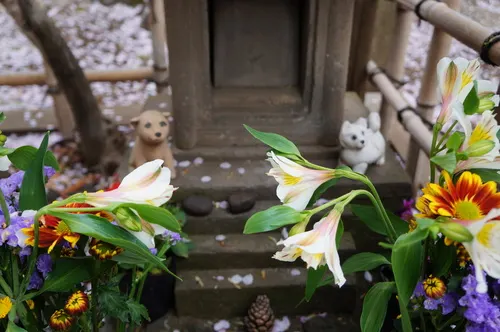
How to get there: about 10 minutes' walk from Gaienmae Station (Ginza Line) or 15 minutes from Nogizaka Station (Chiyoda Line). Entry is free.
Tips for cherry blossom season in Tokyo
- Check the forecast: first bloom to full bloom takes about a week, and full bloom lasts about a week.
- Go early or on weekdays to avoid the biggest crowds.
- Book hotels early: late March and early April are among the busiest weeks of the year.
- Read our guide to hanami etiquette before your picnic.
Sources checked: Metropolis Japan – Tokyo hanami spots 2026, Shinjuku Gyoen (Ministry of the Environment).
About the authors
Dasza — Writer and photographer behind PTraveler. Polish-born, raised in Germany, happiest renting a flat in a new city for a month.
Tomek — Project manager, fixer and tour leader. Plans the routes, finds the free days and tests every street-food stall.