Yokohama Chinatown: What to Eat on a Day Trip From Tokyo
Dim sum, steamed buns, soup dumplings and colourful temples: how to visit Yokohama Chinatown from Tokyo, what to eat, the etiquette for street food and what else to see nearby.
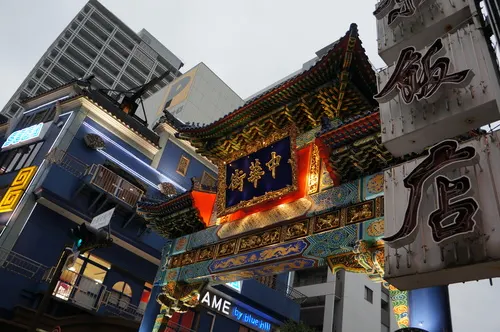
Japan's largest Chinatown is in Yokohama, just half an hour from Tokyo, and people come here for one reason: the food. Behind ornate gates, hundreds of restaurants and stalls sell dim sum, steamed buns, soup dumplings, roasted chestnuts and sweets, between colourful Chinese temples.
Our Japanese hosts, who rented us our home in Tokyo, took us to Yokohama to show us their favourite dim sum. It was one of the most delicious days of our year in Japan.
Quick answer: Take the Tokyu Toyoko Line from Shibuya (through-service onto the Minatomirai Line) to Motomachi-Chukagai Station, one minute from Chinatown (about 35–45 minutes), or JR to Ishikawacho Station (5 minutes' walk). Eat nikuman (steamed pork buns), xiaolongbao (soup dumplings), shumai and sesame balls, visit the Kanteibyo and Masobyo temples and come back in the evening when the lanterns are lit. Don't eat while walking; stop at a park or seating area.
What to eat in Yokohama Chinatown
- Nikuman: fluffy steamed buns filled with pork, the classic street snack.
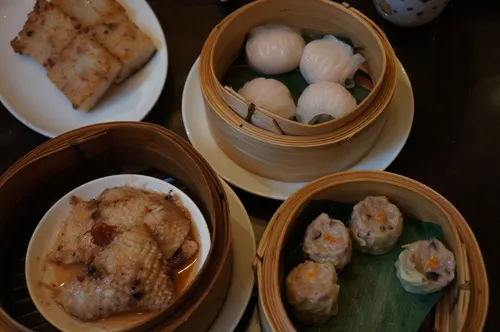
- Xiaolongbao: soup dumplings; bite a little hole first and sip the hot broth.
- Shumai and har gow: steamed pork and shrimp dumplings. Ours had delicate translucent wrappers and whole shrimp inside.
- Yakishoronpo: pan-fried soup dumplings with a crispy bottom, a Yokohama favourite.
- Sesame balls: fried glutinous rice balls filled with sweet bean paste.
- Roasted chestnuts: vendors hand out samples to passers-by.
- Peking duck and full banquets in the sit-down restaurants, many offering all-you-can-eat dim sum courses.
Street food etiquette
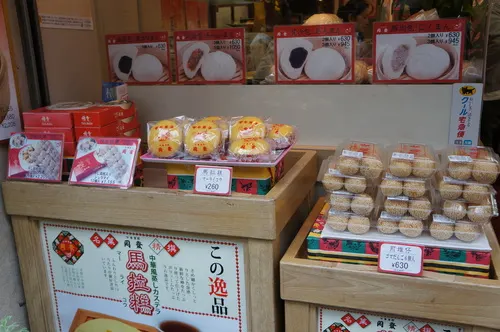
The local association asks visitors not to eat while walking, especially skewered food, because of the crowds. Buy your snack, step aside or head to Yamashitacho Park inside Chinatown to eat. Don't block other shops' entrances. Payment methods vary from shop to shop, so carry some cash.
Temples
- Kanteibyo: a richly decorated temple dedicated to Guan Yu, the god of loyalty and business success. The official incense offering costs ¥500.
- Masobyo: dedicated to Mazu, the goddess of the sea, with a striking gate.
How to choose a good restaurant
In Japan, price usually reflects quality. Some cheap places on the main streets are tourist traps with mediocre food, so look around before you sit down, check reviews and menus, and don't be afraid to try the side streets. Chinatown's official shop directory lets you filter by food type and budget.
What else to see in Yokohama
- Yamashita Park: a waterfront park right next to Chinatown.
- Minato Mirai: the skyline with the Landmark Tower, Cosmo World Ferris wheel and Red Brick Warehouse.
- Motomachi: an elegant shopping street just south of Chinatown.
- Cup Noodles Museum: design your own instant noodle cup.
- Sankeien Garden: a beautiful traditional Japanese garden.
Tips
- Come hungry and share many small dishes rather than one big meal.
- Visit in the evening when the lanterns and gates are lit up.
- Chinese New Year (late January or February) brings lion dances and festivities.
- Don't drive: parking is expensive and scarce (though the car-park "Ferris wheels" are fun to watch).
More Japanese food: cheap eats in Japan
Sources checked: Real Japan Guide – Yokohama Chinatown (checked August 2026).
About the authors
Dasza — Writer and photographer behind PTraveler. Polish-born, raised in Germany, happiest renting a flat in a new city for a month.
Tomek — Project manager, fixer and tour leader. Plans the routes, finds the free days and tests every street-food stall.