Living in Budapest for a Month: Renting a Flat, Costs and Daily Life
We rented flats in Budapest and lived there month by month. Where to stay, what a flat is like, transport passes, groceries and what costs what in 2026.
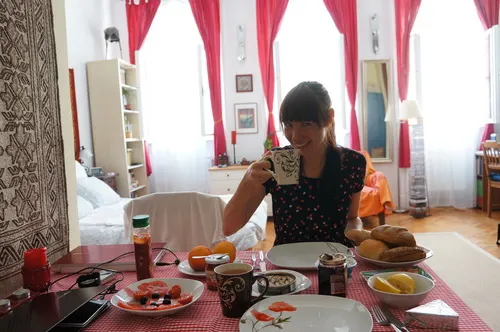
Budapest was one of the first cities where we stopped being tourists and simply lived. We arrived from Oslo, rented a small flat for a few days, liked the city so much that we stayed for months, mostly in quiet, green Buda. This guide is what we would tell a friend who wants to spend a month (or three) in Budapest: how renting works, which side of the river to pick, how to get around and what everyday life costs.
Quick answer: For a month in Budapest, rent a furnished flat close to a metro or tram hub. Buda is quieter and greener; Pest (districts V, VI, VII, VIII and IX) is livelier and closer to the bars and restaurants. Buy the Monthly Budapest-pass (8,950 Ft at the time of writing) instead of single tickets, shop at markets and small greengrocers, and expect the flat to be your biggest cost by far.
Why rent a flat instead of a hotel
We spent two years on the road and hardly saw a hotel room. In Budapest it made the most sense of all:
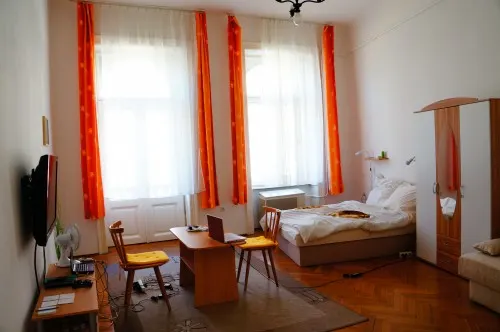
- Space. Our flat in Buda had around 45 m², high ceilings, huge windows, a wooden floor, a working corner and an open kitchen. No hotel room comes close at the same price.
- Cost. In 2012 we paid around 20 euros a night for that flat. Prices are much higher today, but a flat shared by two people is still usually cheaper per night than a comparable hotel for a long stay, and monthly discounts are common.
- A kitchen and a washing machine. Cooking breakfast and some dinners at home, and doing your own laundry, saves a lot over a month.
- Living like a neighbour. The greengrocer, the bakery across the road and the 24-hour supermarket become your shops.
Buda or Pest: where to stay for a month
The Danube splits the city in two, and the choice really changes your stay.
- Buda (west bank): hilly, green and residential. We lived within walking distance of Széll Kálmán tér, one of Buda's busiest transport hubs, with trams, buses and the M2 metro. Buda Castle was a walk away and Pest only a few stops by metro or tram. Quiet evenings, good for working.
- Pest (east bank): flat, busy and full of life. District VII (the old Jewish Quarter) has the ruin bars and the nightlife, which is fun to visit but can be noisy to live in. Districts V, VI and IX are central but calmer; district VIII is cheaper and changing fast.
Our tip: choose by transport first. Two minutes to a metro or tram stop matters more over a month than being in the "best" district.
What a Budapest rental flat is like
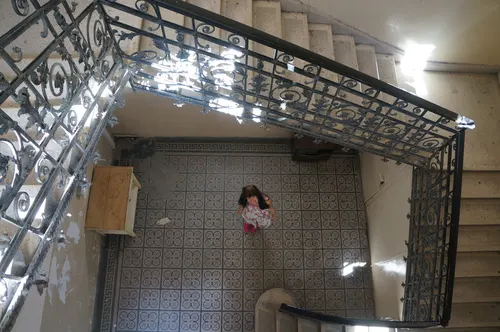
Many central flats are in old apartment buildings with grand staircases and inner courtyards, built around 1900. They are beautiful, but a few things surprised us:
- Hot water tanks. Many flats have an electric boiler. When the hot water is used up, the shower turns cold, so plan showers one after another, not all at once.
- Old balconies. Some balconies in old buildings are closed off for safety. Ask before you book if outdoor space matters to you.
- Window nets. There are few mosquitoes, but many hosts fit nets to keep out flies in summer.
- Traditional bedding. You may meet the Central European duvet cover with a diamond-shaped hole in the middle. It works, once you know the trick.
A good host makes all the difference. Ours walked us through the flat slowly: how to turn the key, how the boiler worked, where the dishwasher manual was (in several languages). Ask for that walkthrough when you arrive.
Booking tips
- Look for monthly discounts on rental platforms; many hosts offer 20–40% off for stays of 28 nights or more.
- Read the reviews for noise, heating and hot water, and check the floor and whether there is a lift.
- Ask whether utilities, internet and cleaning are included in the price.
- In winter, check the heating; in summer, ask about air conditioning or at least a fan. Budapest summers can be hot.
Getting around: buy the monthly pass
Budapest's public transport (run by BKK) is excellent: four metro lines, trams along the Danube, buses, trolleybuses and even boats. For a month, single tickets make no sense.
- Monthly Budapest-pass: 8,950 Ft, valid on metro, tram, bus, trolleybus and suburban HÉV trains within the city.
- Single ticket: 500 Ft (700 Ft if bought from the driver), valid for one uninterrupted journey.
- You can buy passes from purple ticket machines, at BKK customer centres or in the BudapestGO app.
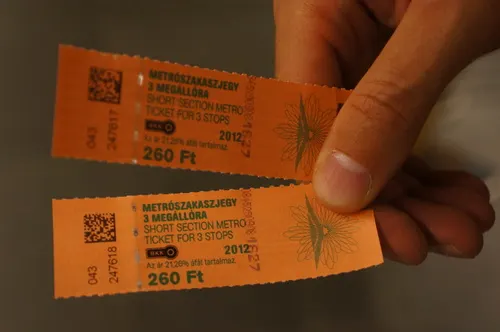
When we first arrived we bought paper tickets, including short-section metro tickets for three stops, which cost 260 Ft back in 2012. A lot has changed since, but the system is just as easy. Ticket inspectors are common at metro entrances, so always carry a valid ticket or pass.
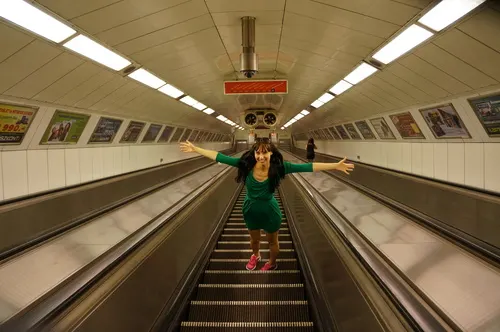
The old M1 metro line (the Millennium Underground) is one of the oldest in the world, and riding the long, steep escalators of the newer lines is an experience in itself.
Groceries, markets and eating
Cooking at home is where a month in Budapest becomes affordable.
- Markets: the Great Market Hall (Központi Vásárcsarnok) is famous and beautiful; locals also shop at district markets such as the Fény utca market next to Széll Kálmán tér in Buda.
- Supermarkets: Spar, Tesco, Lidl, Aldi and Penny are everywhere, and several stay open late.
- Bakeries: fresh bread and pogácsa (savoury scones) every morning, for very little.
- Eating out: look for a daily menu (napi menü) at lunchtime, a set soup and main course that is far cheaper than ordering from the evening menu.
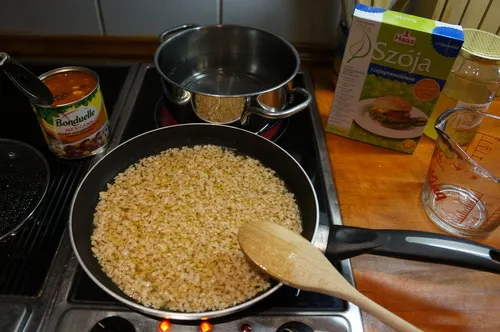
We are vegetarians and found Budapest easier than we expected, with several vegan and vegetarian restaurants and plenty of vegetable dishes like lecsó and stuffed peppers.
Budapest cost of living for a month: what to budget
Prices have risen a lot in Hungary in recent years, so treat any number you read online with care and check current listings. In practice, a month in Budapest breaks down like this:
| Cost | What to expect |
|---|---|
| Furnished flat | Your biggest cost by far. A central one-bedroom on a monthly booking costs much more than a local long-term lease, but much less than a hotel. |
| Transport | 8,950 Ft for the Monthly Budapest-pass. |
| Groceries | Cheaper than Western Europe if you shop at markets and discount supermarkets. |
| Eating out | Daily lunch menus are the best value; dinner in the centre is closer to Western European prices. |
| Thermal baths | A treat, not a bargain: budget for a few visits rather than a weekly habit. |
| Mobile data | Prepaid SIM cards and eSIMs are cheap; EU roaming applies if you have an EU plan. |
Hungary uses the forint (HUF, Ft), not the euro. Pay by card where you can, and when a card terminal or ATM offers to charge you in your home currency, choose forint to avoid a poor exchange rate.
Daily life tips from our months in Budapest
- Work spots: Budapest has plenty of cafés and coworking spaces, and our Buda flat had a proper desk, which we would ask for again.
- Sundays: many smaller shops close or open short hours, so shop on Saturday.
- Thermal baths are part of local life. Go on a weekday morning to avoid the crowds.
- Hills and views: the walk up Gellért Hill at sunset is free and one of the best views in the city.
- Winter is cold and grey but cosy, with Christmas markets; spring and autumn are the best months for a long stay.
Sources checked: BKK – monthly passes and ticket prices, Daily News Hungary – Budapest public transport tickets (checked July 2026). Prices can change; check BKK before you travel.
About the authors
Dasza — Writer and photographer behind PTraveler. Polish-born, raised in Germany, happiest renting a flat in a new city for a month.
Tomek — Project manager, fixer and tour leader. Plans the routes, finds the free days and tests every street-food stall.